



- Market / location
- China — Guangzhou, Jiangmen and Guiyang installations
- Product / substrate
- Flexible packaging film and approved moving web materials
- Verified result
- Four videos confirm UV inkjet modules operating on flexible webs at several sites. Final adhesion, resistance, print-side orientation and speed depend on the exact film construction.
Direct answer
UV inkjet can add variable codes, dates, lot data and other changing information to flexible packaging film when the web is stable and the ink is matched to the print surface. This case combines production footage from Guangzhou, Jiangmen and Guiyang to show several real mounting environments, including print modules, UV exposure, web rollers and control software.
Documented application evidence
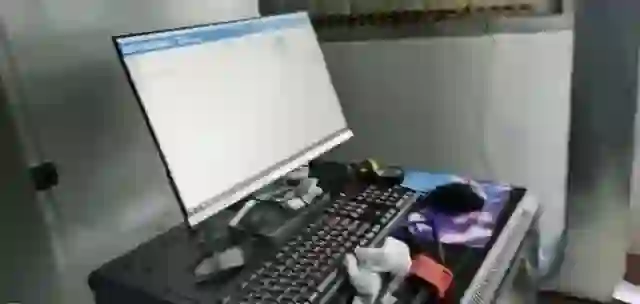
The Jiangmen footage gives the clearest view of a larger web path and installed curing units. The Guangzhou clip shows a compact retrofit position, while the Guiyang video records job setup and the print zone. These are complementary views of one application family rather than duplicate marketing pages.
The exact polymer and layer structure are not readable from the videos. The public case therefore uses the accurate term flexible web and avoids stating PET, PE, PP or another film unless the customer supplies a material record.
Application overview
| Application | Inline or rewinder-based coding on flexible web |
|---|---|
| Typical content | QR codes, barcodes, lot, date, serial and text |
| Mechanical needs | Tension, lateral control, stable print span and encoder |
| Print-side decision | Surface print or reverse-side process must be confirmed |
| Curing | UV energy matched to ink coverage and film temperature |
| Evidence | Four site videos; material-specific claims withheld |
Customer requirement and production challenge
Flexible film moves, stretches and can flutter. Even a small change in tension or distance affects fine code geometry. Film treatment also decays over time, and slip additives, coatings or contamination can change wetting between material batches.
Packaging construction adds another decision: whether the code is printed on an exterior surface, between layers or on a reverse-print side. Food, cosmetic or medical use may impose migration and contact requirements that cannot be inferred from ordinary print adhesion.
Inkjetwell integration approach
Inkjetwell identifies a stable section of the existing line, then evaluates guides, nip points, encoder location and available UV shielding. The printhead is held at a controlled distance while web movement supplies the scan direction. The controller receives a trigger or registration signal and generates the variable image.
Curing is tested for both ink performance and film behavior. Excess heat, insufficient cure and contact with downstream rollers are evaluated during a sustained run. For transparent webs, contrast and intended viewing side are approved with the final package design.
Demonstrated outcome
The combined footage demonstrates that the print and cure modules can be integrated into different flexible-web layouts. It also shows the value of onsite engineering: web paths and control cabinets differ, but the same core requirements—stable motion, synchronized data and matched curing—remain.
The result is an evidence-backed application case without pretending that every film uses one recipe. The buyer receives a clear path from sample roll to factory acceptance.
What this case does not claim
No food-contact, medical-contact or migration approval is claimed. Those decisions require the exact ink, packaging structure, print location and applicable regulation.
Screen values and video speed are not converted into a guaranteed production figure. The accepted speed must be recorded with the final material and artwork.
Production validation checklist
- Provide a complete roll and the film structure or supplier specification.
- Confirm treatment level, coating and intended print side.
- Measure web width, tension range, speed and lateral movement.
- Supply final data payload and registration method.
- Test cure, blocking, rub and downstream lamination or sealing.
- Document packaging-contact requirements before ink approval.
Common buyer questions
Can UV inkjet print on transparent packaging film?
It can on a compatible treated or coated surface, but contrast, viewing side and adhesion must be validated on the final construction.
Can the printer be installed on an existing film machine?
Often yes when the line offers a stable web span, encoder access, safe UV shielding and enough space for maintenance.
Can every package receive a different QR code?
Yes when the printed repeat is synchronized with the package pitch and the variable-data system maintains record order.
Does the UV lamp overheat thin film?
Curing power, distance, duty cycle and cooling are selected through testing. Heat-sensitive films require particular attention.
Request an application test
Send Inkjetwell the actual production material or parts, final-size artwork, required print position and width, line speed range, product spacing, line photos or video, variable-data format, scanner requirements and required resistance tests. We will use those details to propose the printhead arrangement, transport or retrofit method, sensing, UV curing, data workflow and inspection plan.
Media evidence note: the images and videos on this page document Inkjetwell application samples or production configurations supplied for this case library. Customer identities are withheld unless separately authorized. Visible third-party marks remain the property of their owners and do not imply endorsement.