


- Market / location
- Inkjetwell application laboratory and project qualification
- Product / substrate
- Metal lids, molded plastic packaging, narrow rigid components and clear compartments
- Verified result
- The image set confirms several legible code and text formats on different rigid substrates. It is a qualification portfolio, not a claim that every material used one unchanged recipe.
Direct answer
When a buyer has several rigid packaging parts, the fastest reliable route is a structured sample matrix rather than choosing a machine from material names alone. This case shows how Inkjetwell compares code type, contrast, geometry and surface behavior before confirming a production configuration.
Documented application evidence
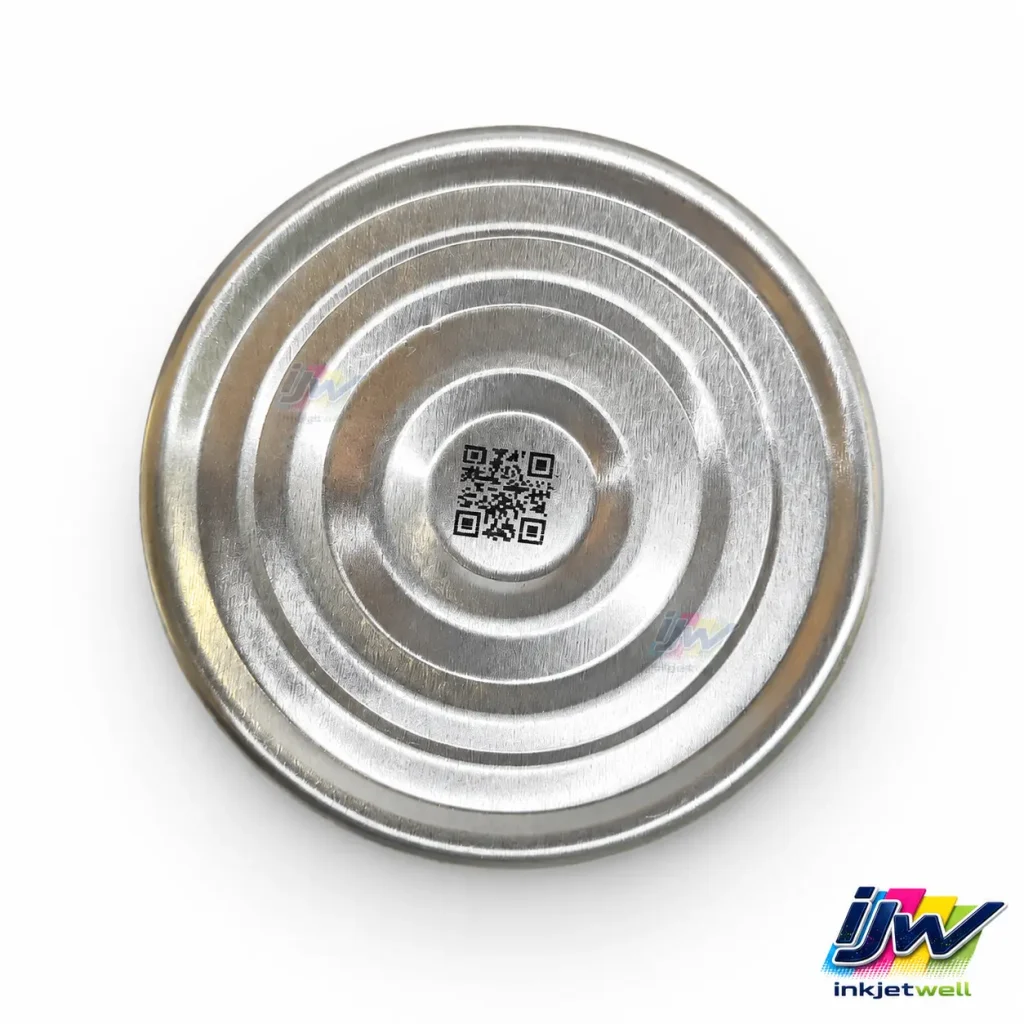
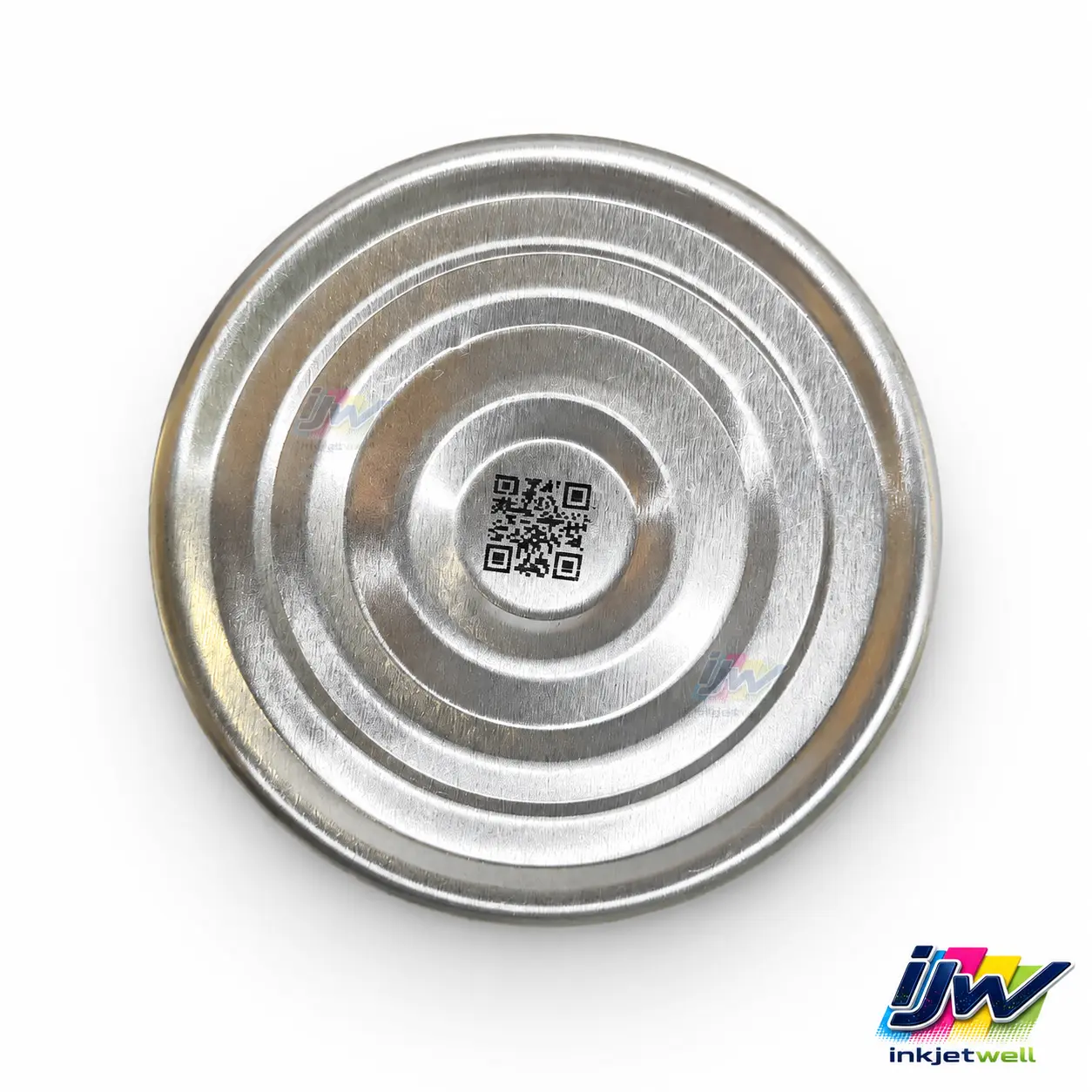
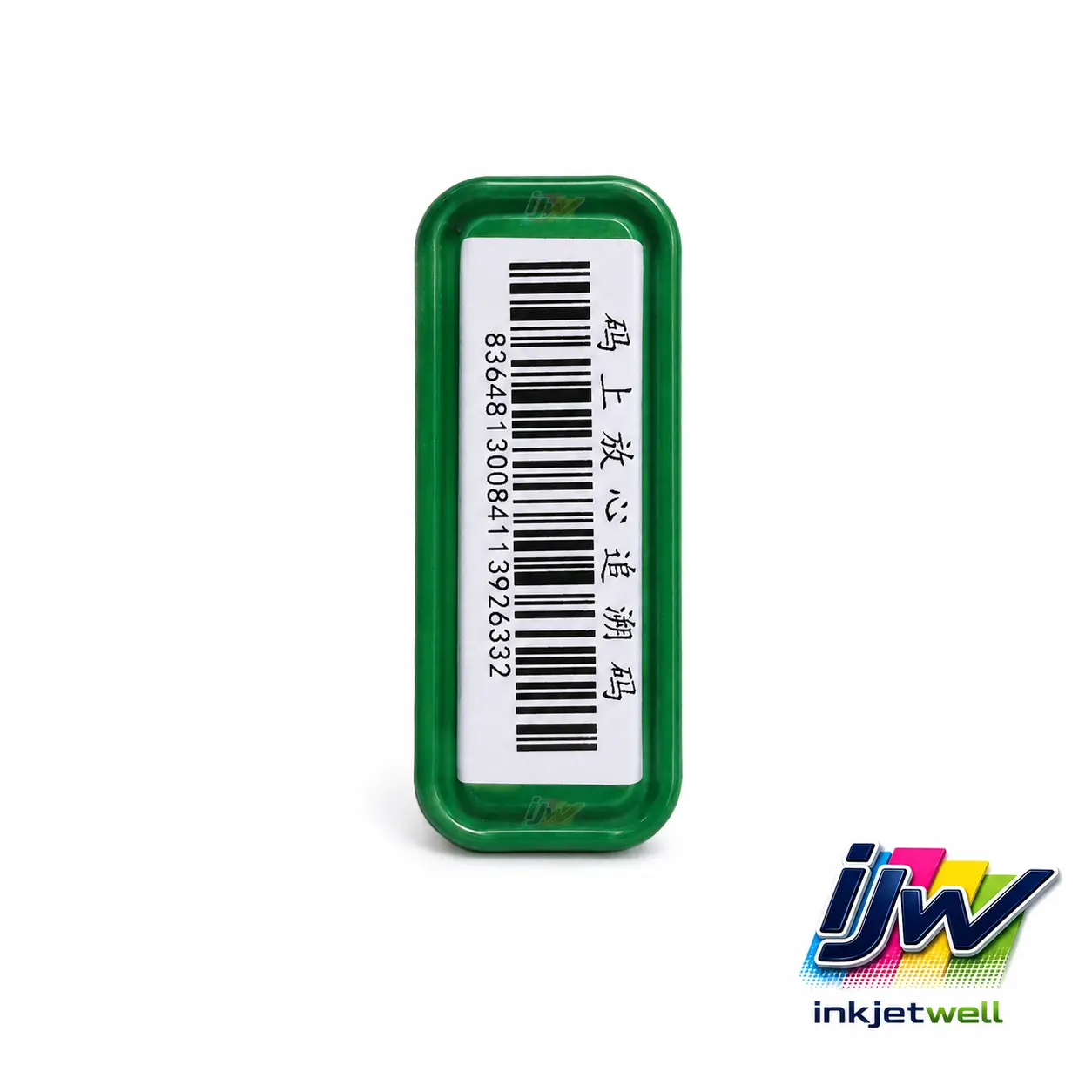
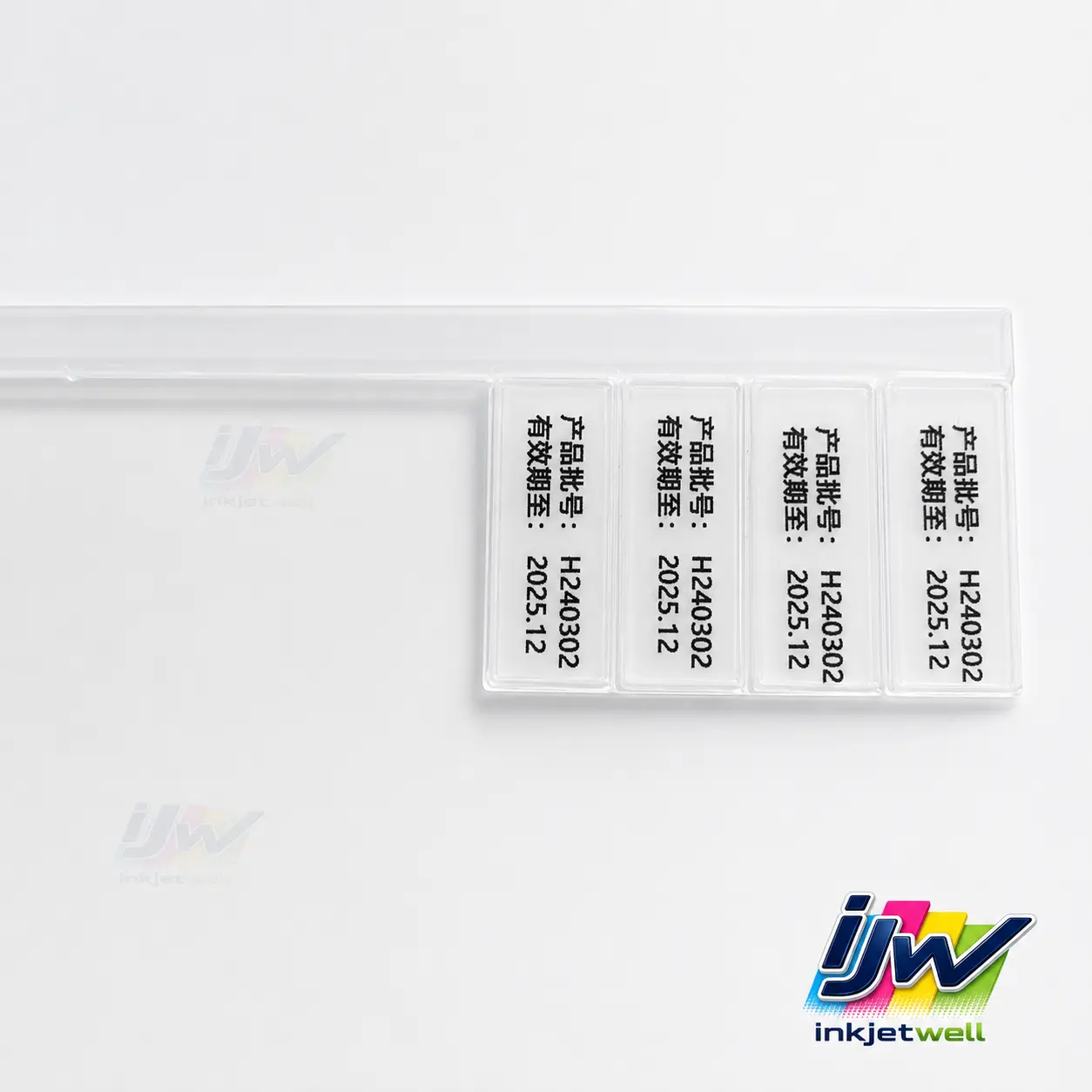
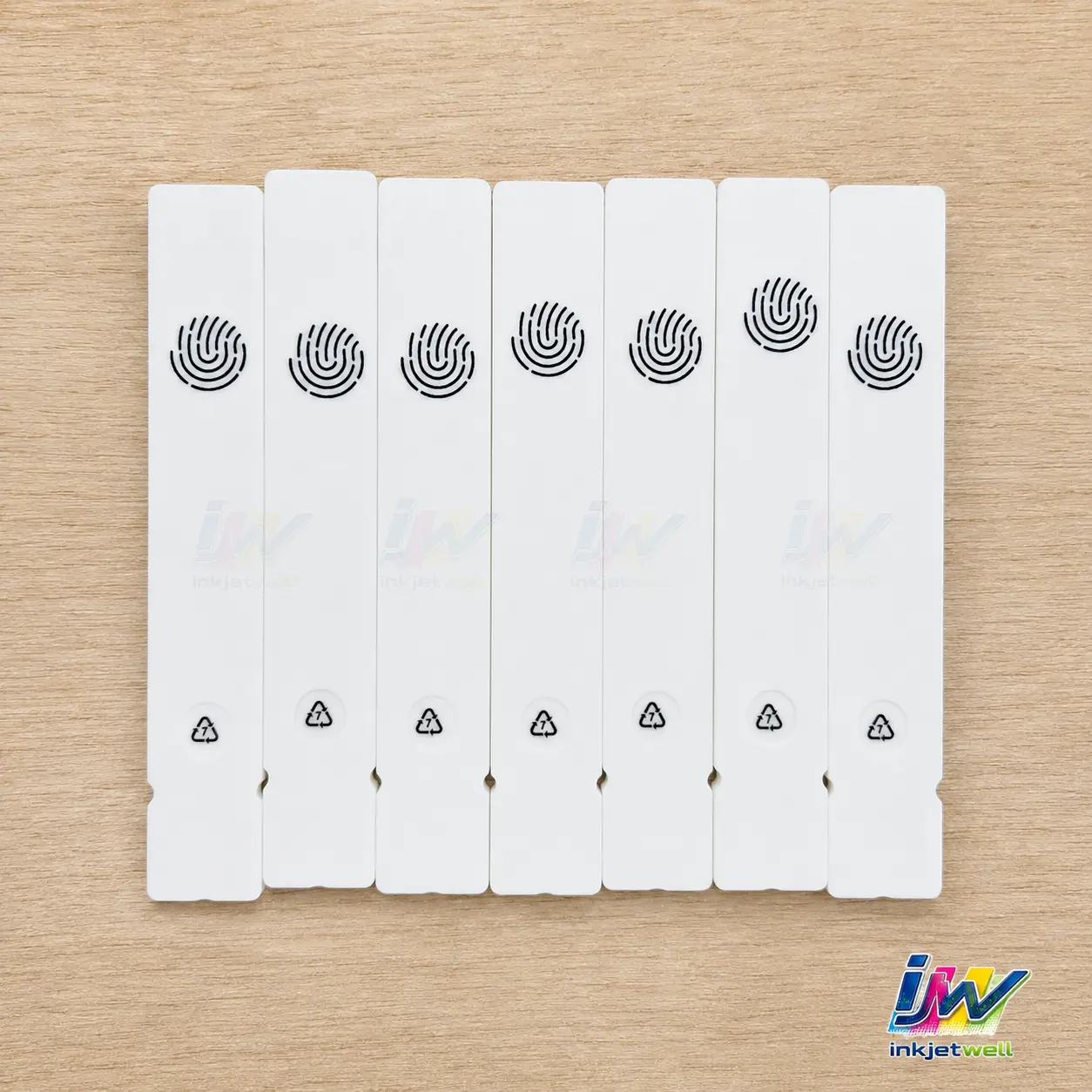
The samples include a QR code on reflective metal, a dense linear barcode on green plastic, repeated batch/expiry text on clear molded compartments and repeated icons on narrow white plastic pieces.
Each image supports a specific observable result. Unknown polymer grades, coatings and production conditions are not invented, and the article does not combine the samples into a fictional single customer installation.
Application overview
| Case type | Multi-substrate application qualification |
|---|---|
| Materials | Reflective metal and several molded-plastic surfaces |
| Content | QR, linear barcode, batch, expiry, serial and icons |
| Variables | Ink color, pretreatment, print distance and cure |
| Decision output | Approved sample and proposed handling concept |
| Evidence | Four high-resolution application images |
Customer requirement and production challenge
Two products called plastic may have different surface energy, additives and release agents. Two metal lids may use different lacquer or oil. Selecting settings from a generic material name creates avoidable adhesion and readability risk.
Code requirements also differ. A dense linear barcode on a narrow component has a different tolerance from a compact QR in a circular recess or text repeated across molded compartments.
Inkjetwell integration approach
Inkjetwell labels every submitted sample and records its intended print side, content, dimensions and use conditions. A small controlled matrix tests candidate ink, pretreatment and curing settings.
The resulting approved sample is then connected to a mechanical concept: continuous conveyor, fixture, indexed table or integration with the buyer's existing machine. This prevents a visually good hand sample from being mistaken for a complete production solution.
How buyers can use this evidence
This portfolio is designed to help multi-product factories organize a qualification project. Group parts by material, geometry and required content, then identify which products share the same line and which require separate handling. Inkjetwell can test the highest-risk examples first: the smallest code, the lowest contrast, the most difficult adhesion and the greatest height variation. That process produces a defensible system boundary and prevents one attractive sample from being generalized beyond its evidence.
Demonstrated outcome
The portfolio demonstrates broad technical reach without overstating uniformity. Buyers can see that Inkjetwell evaluates both machine-readable codes and small human-readable content on constrained rigid surfaces.
The deliverable from a real project is an approved sample, a written process window and an integration recommendation tied to that exact part.
What this case does not claim
The images alone cannot confirm chemical resistance, regulatory suitability, production speed or scanner grade.
Material identity and intended contact conditions must be supplied by the buyer; they cannot be reliably inferred from appearance.
Production validation checklist
- Label each sample with material and supplier grade.
- Describe cleaning, coating and molding conditions.
- Provide final code payload and minimum readable size.
- Define handling orientation and available line space.
- Agree adhesion, rub, chemical and scan tests.
- Retain the approved sample as the project reference.
Common buyer questions
Why not recommend a model from a photograph?
A photograph cannot confirm polymer, coating, surface energy, line stability or required print width.
Can several products share one system?
Often yes when their size, transport and approved ink process fit the same configurable platform.
What should be included with samples?
Material identity, final artwork, required position, line speed and relevant resistance or compliance requirements.
Does a good hand sample guarantee production?
No. Production also requires repeatable handling, sensing, curing and data control.
Request an application test
Send Inkjetwell the actual production material or parts, final-size artwork, required print position and width, line speed range, product spacing, line photos or video, variable-data format, scanner requirements and required resistance tests. We will use those details to propose the printhead arrangement, transport or retrofit method, sensing, UV curing, data workflow and inspection plan.
Media evidence note: the images and videos on this page document Inkjetwell application samples or production configurations supplied for this case library. Customer identities are withheld unless separately authorized. Visible third-party marks remain the property of their owners and do not imply endorsement.