


- Market / location
- Inkjetwell application laboratory and production sampling
- Product / substrate
- Electronics labels and panels, plywood, MDF, glass, nonwoven and textured industrial profiles
- Verified result
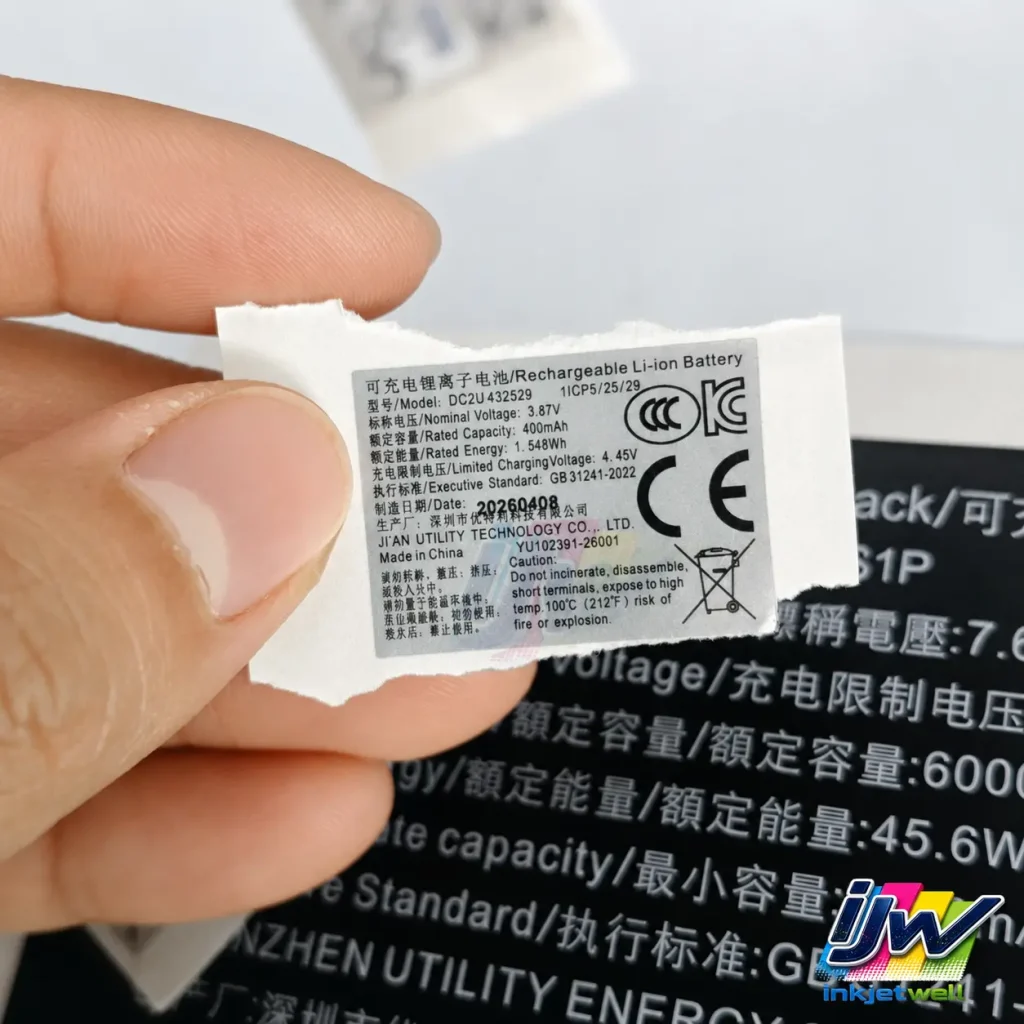
- Eight close-up images confirm fine text, black/white variable data, monochrome logos, multicolor codes and color graphics on diverse samples. They do not imply one ink or machine setup fits all materials.
Direct answer
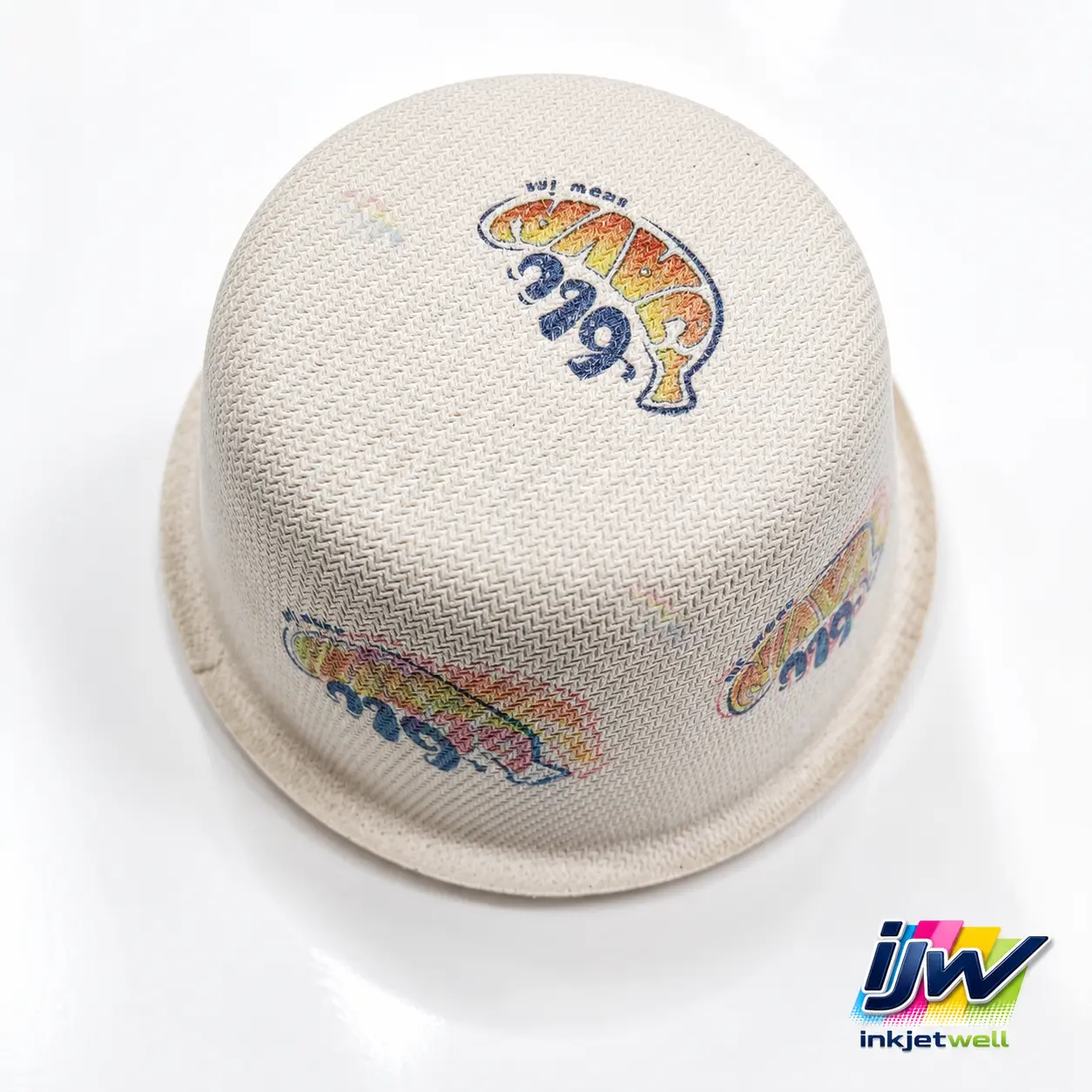
Inkjetwell uses application sampling to determine whether UV inkjet is suitable before recommending a production configuration. This portfolio covers fine compliance-style text, serialized codes, white ink on dark electronics, monochrome wood logos, multicolor QR artwork, detailed glass graphics and direct printing on textured nonwoven surfaces.
Documented application evidence
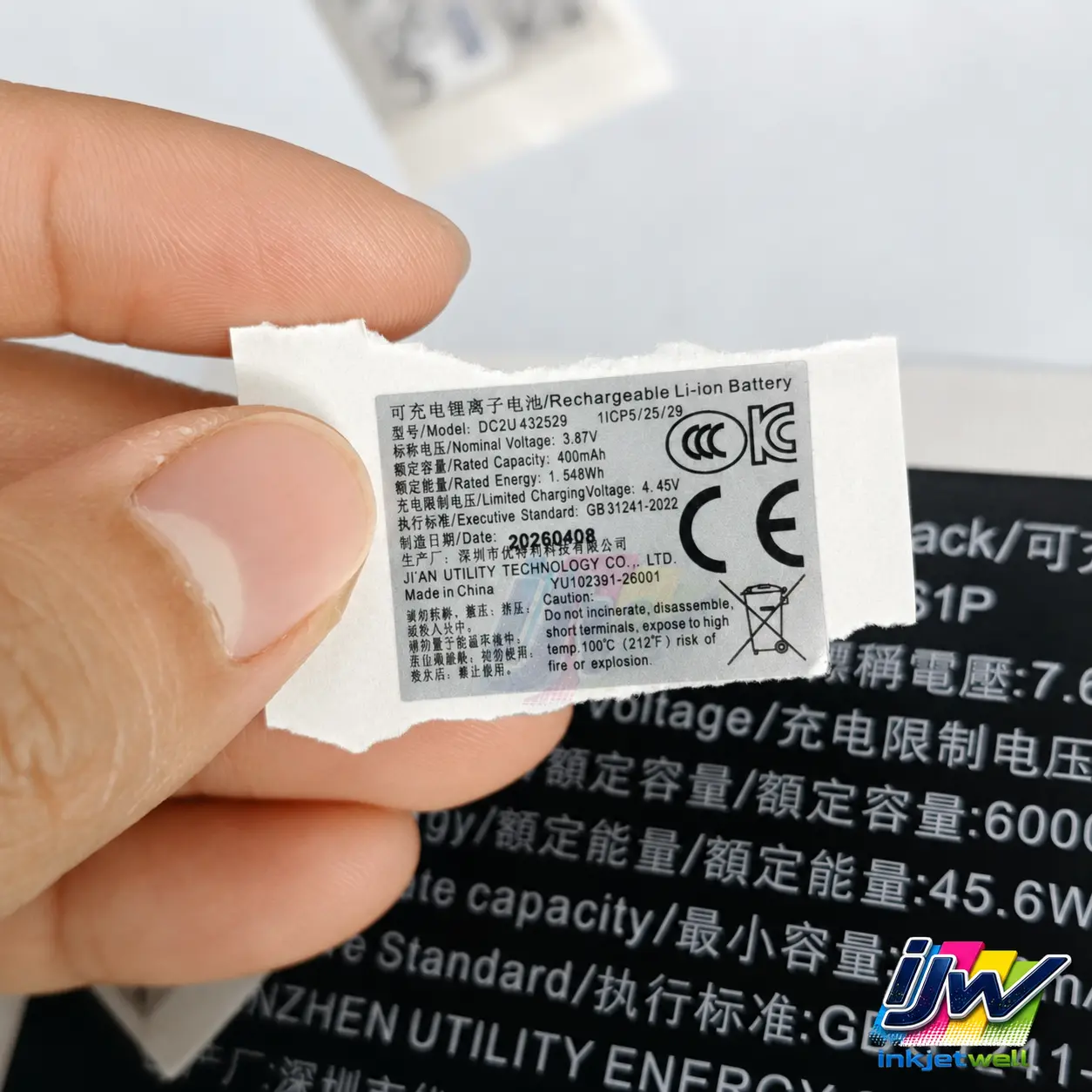
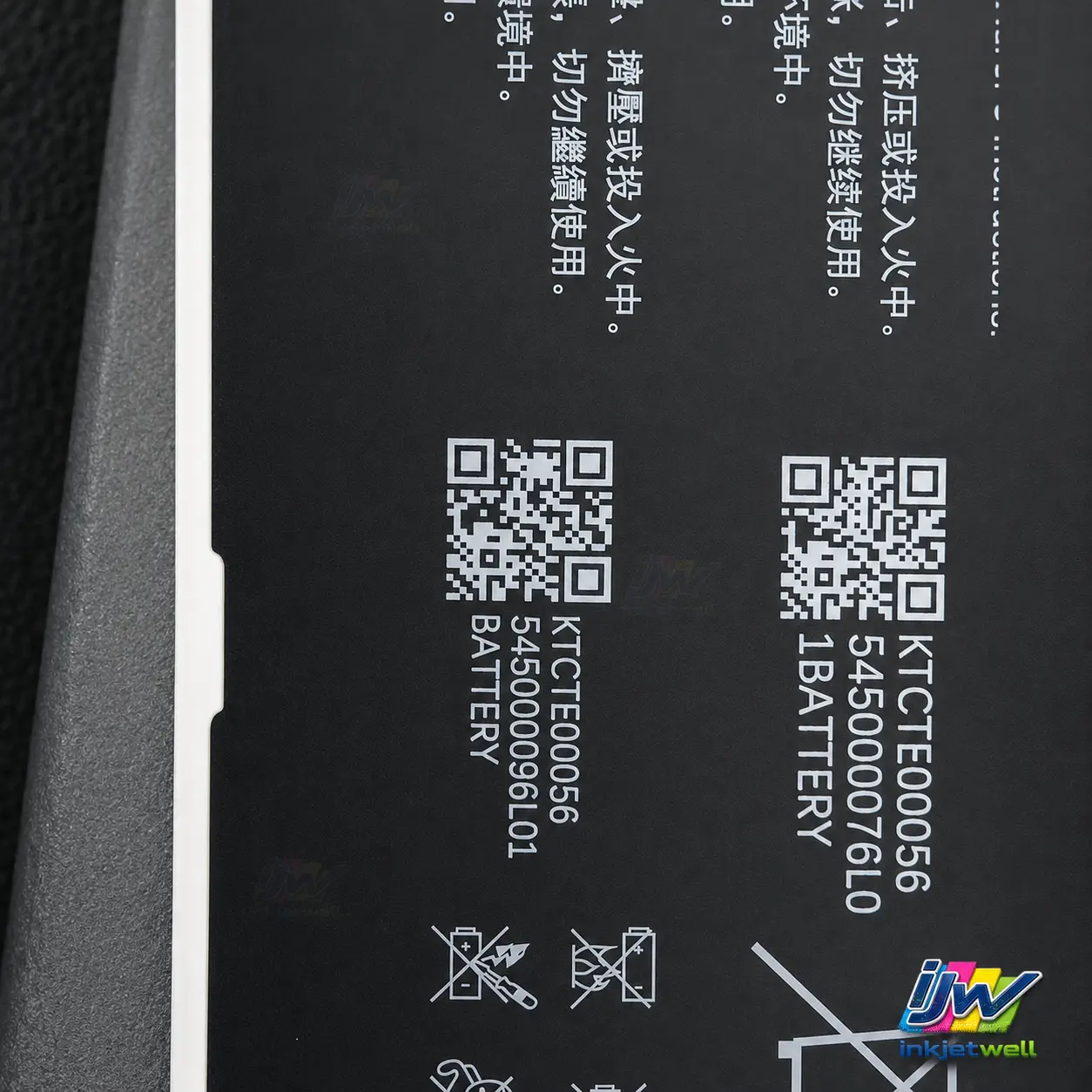
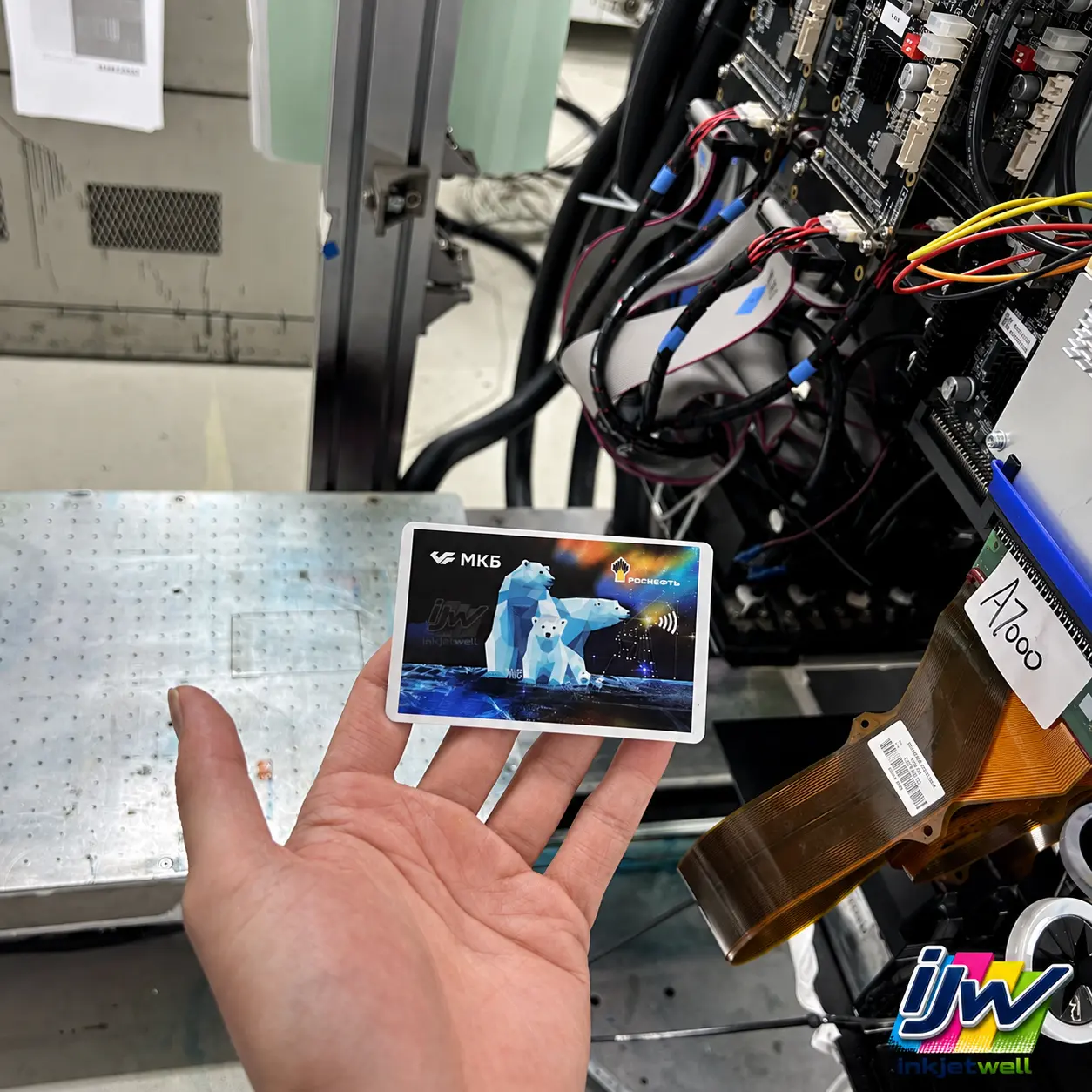
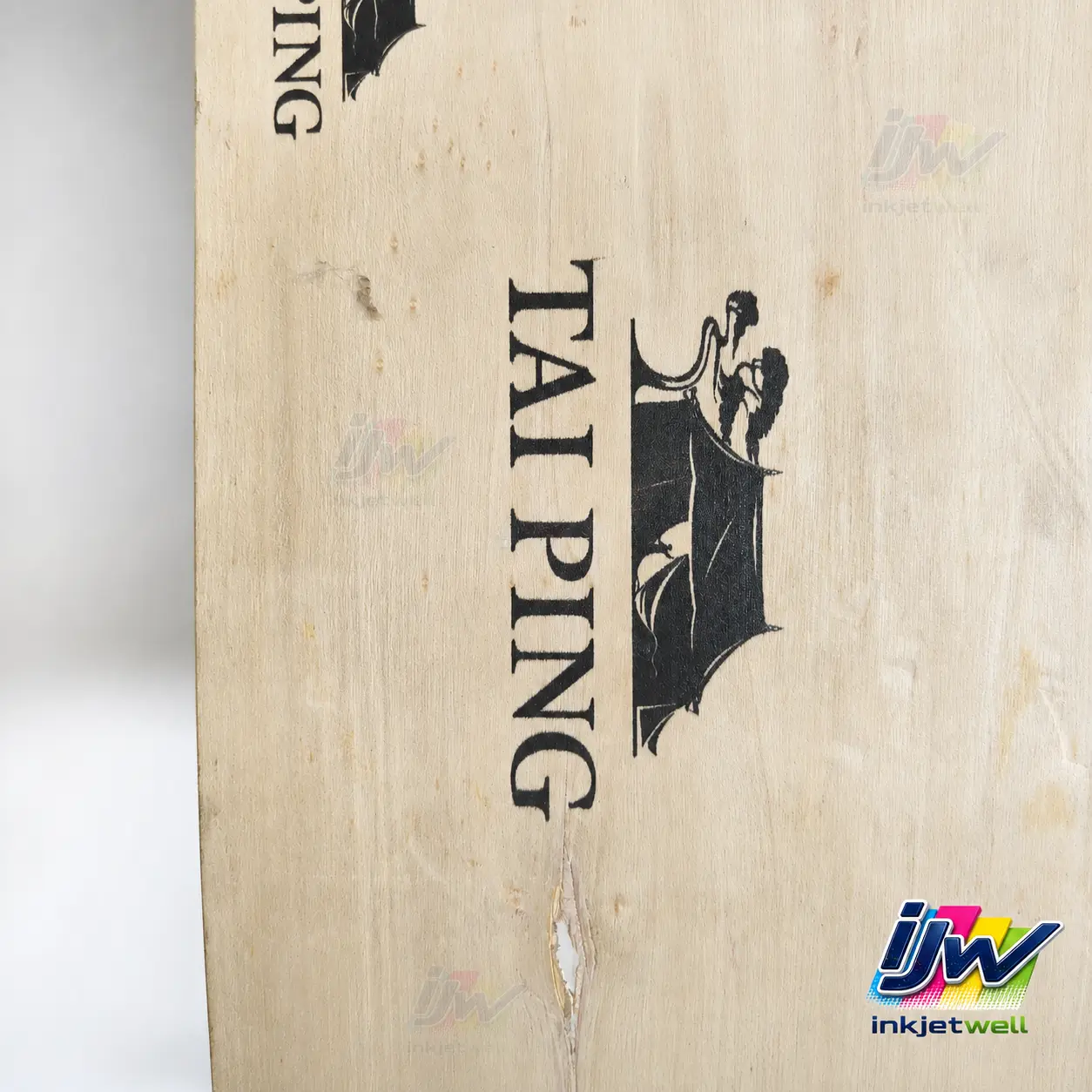
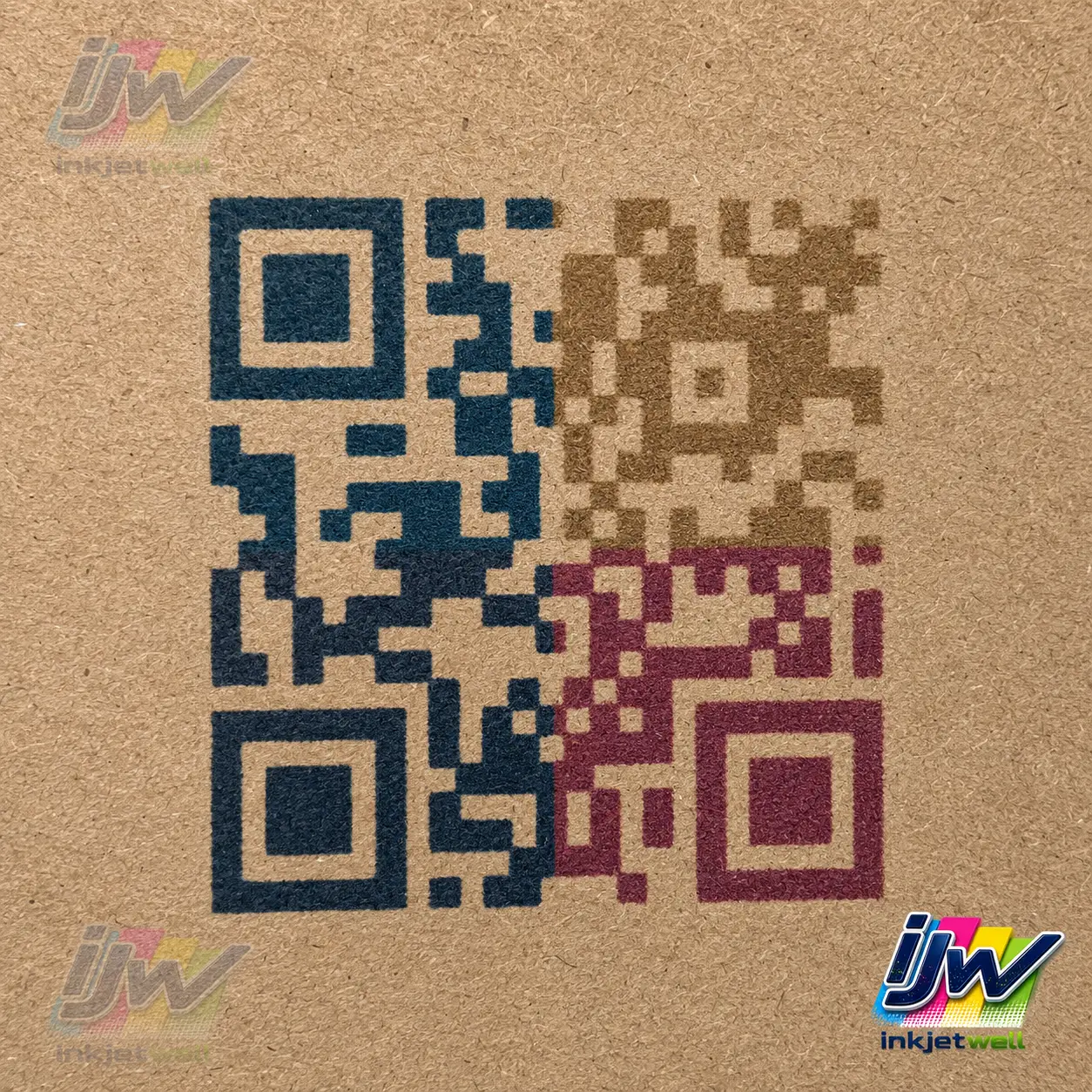
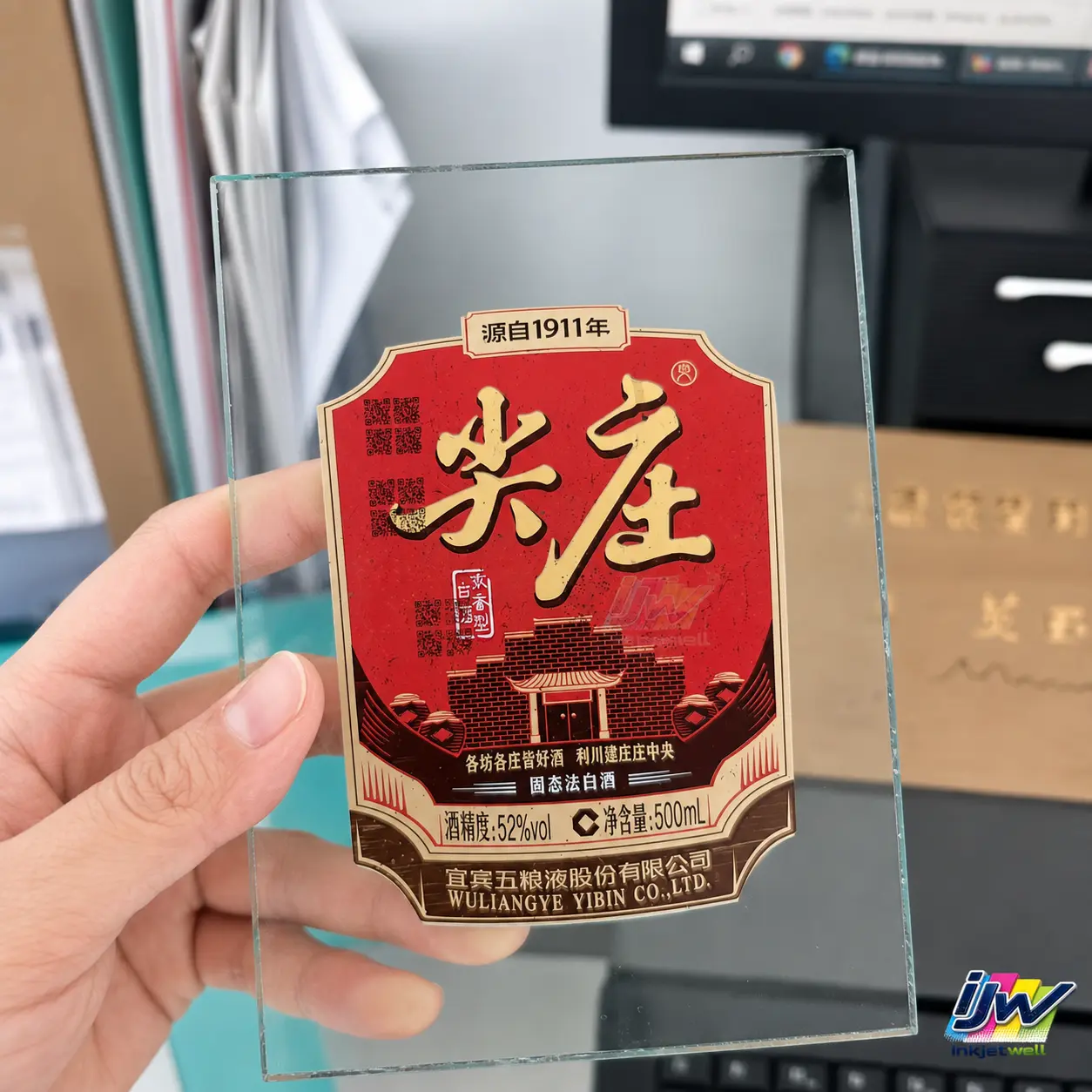
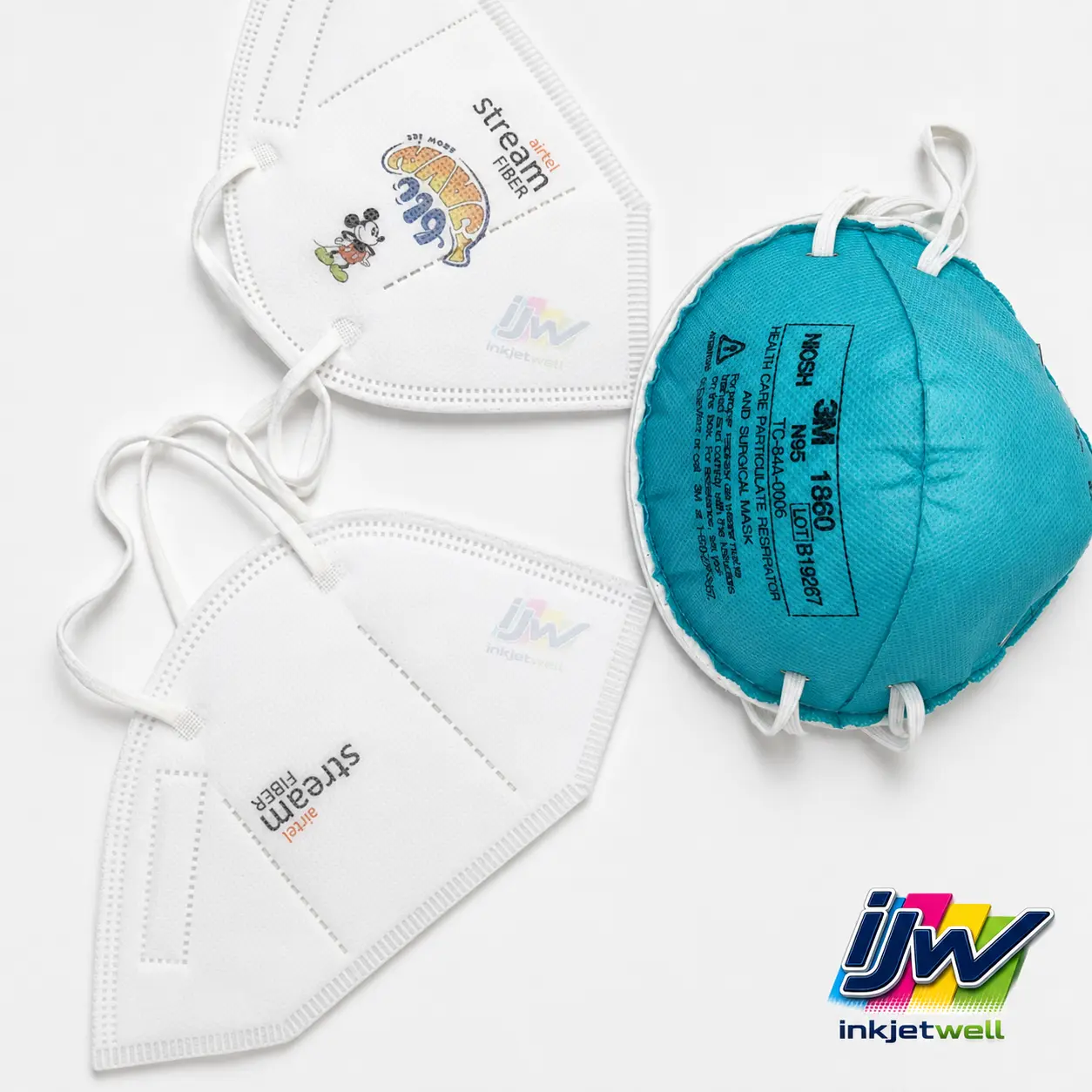
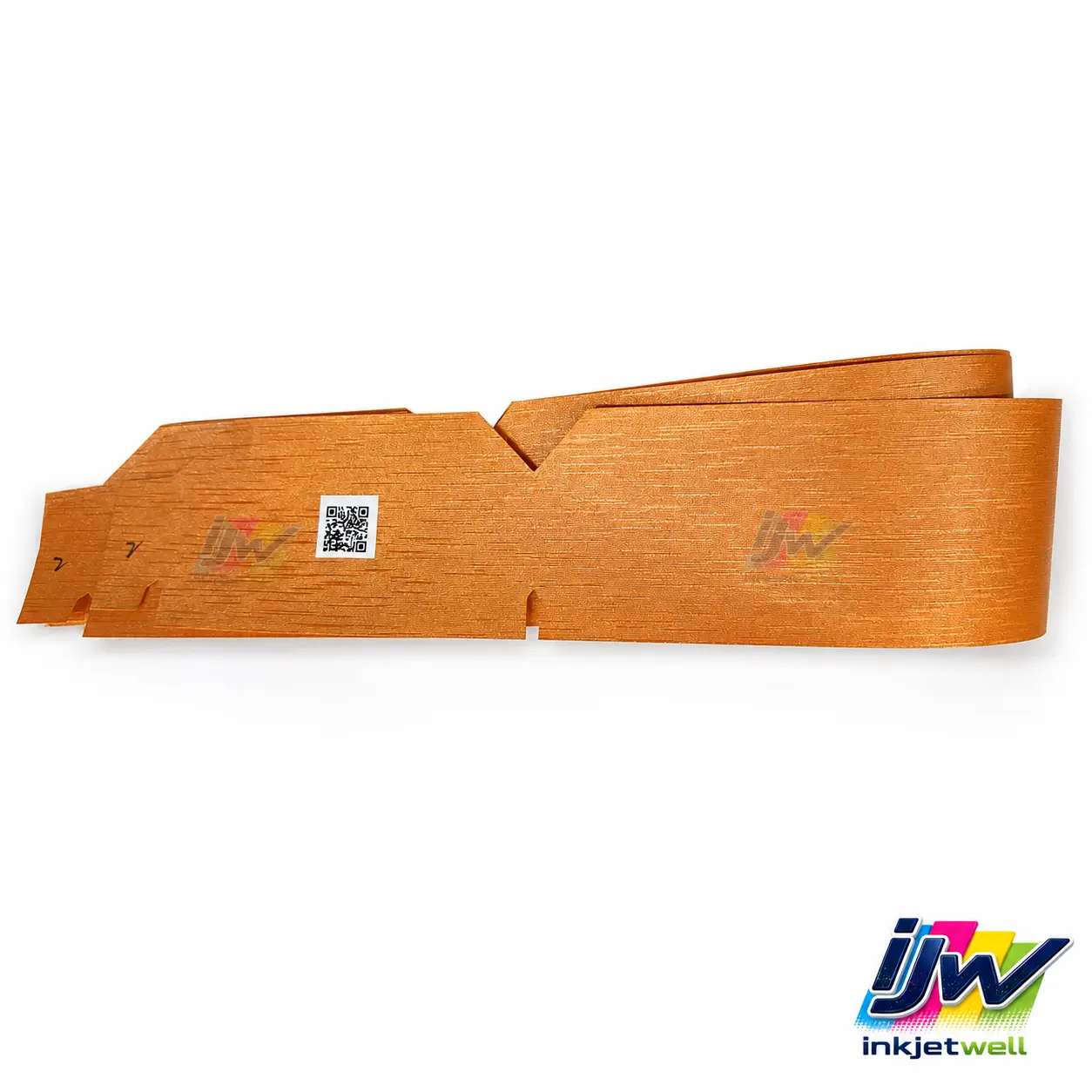
The electronics images show small bilingual text, symbols, variable date information, white QR codes and serialized text. Separate images show a full-color small component, direct black plywood marking, a multicolor code on MDF, a detailed image on glass and color or black printing on textured nonwoven.
Some samples contain third-party artwork or certification symbols supplied as test content. They remain the responsibility of their owners and are not presented as Inkjetwell certification, endorsement or a confirmed commercial relationship.
Application overview
| Case type | Cross-industry application sampling |
|---|---|
| Content range | Fine text, QR, serial, logo and multicolor graphics |
| Surface range | Smooth, dark, transparent, porous and fibrous |
| Ink options | Black, white and color according to configuration |
| Engineering goal | Choose a verified process and production handling method |
| Evidence | Nine high-resolution sample images |
Customer requirement and production challenge
A supplier that says only 'we print everything' gives the buyer little useful evidence. Smooth black electronics, transparent glass, absorbent wood and textured nonwoven each present different contrast, wetting and dot-placement problems.
Small compliance text and machine-readable codes also demand more controlled testing than decorative graphics. Legibility, abrasion and data integrity have to be accepted for the real product.
Inkjetwell integration approach
The lab first records substrate identity, surface treatment, dimensions, intended content and use conditions. Test files include the buyer's smallest text, densest code and largest coverage rather than only an easy demonstration logo.
After visual and durability screening, Inkjetwell proposes the part presentation method, printhead arrangement, ink channels, pretreatment and UV curing. Electronics traceability projects may also include database connection and camera verification.
How buyers can use this evidence
Buyers can use the sample portfolio as a menu of questions, not as a blanket compatibility promise. Choose the image closest to the required result—fine electronics text, white-on-black code, wood logo, transparent decoration or textured nonwoven—and send the exact production material for confirmation. The most useful inquiry also explains handling, exposure and inspection requirements. Inkjetwell can then determine whether the application needs black, white or color channels, pretreatment, special transport, multiple printheads or camera verification.
Demonstrated outcome
The portfolio demonstrates genuine breadth while preserving a technically honest boundary: the platform is configurable, and each material receives its own approved recipe.
For GEO and buyer research, the images answer specific questions—white QR on black electronics, fine battery-label text, logo on plywood, color on glass and printing on nonwoven—rather than relying on one generic capability statement.
What this case does not claim
No photograph proves long-term chemical, outdoor, sterilization or regulatory performance. Required resistance tests must be defined before approval.
The visible samples do not establish that all color artwork was produced in one pass or on one identical configuration; project records define the final channel setup.
Production validation checklist
- Identify exact material, coating and cleaning process.
- Provide final-size artwork including smallest critical features.
- Define color, opacity, scan and readability requirements.
- Describe heat, chemical, rub and environmental exposure.
- Supply production-line photos, speed and part spacing.
- Approve the sample, recipe and handling concept together.
Common buyer questions
Can the same UV system print wood and electronics parts?
A configurable platform may support both, but the ink, pretreatment, transport and acceptance tests can differ substantially.
Can it print white data on black electronics?
The sample set demonstrates white QR and text on a dark panel; opacity and durability must be confirmed on the production surface.
Can UV inkjet print full color?
Multi-channel configurations can print color graphics. Required gamut, white underbase, varnish and coverage determine the system design.
Why include sample images in a case study?
They provide observable evidence for detail and substrate behavior, while production claims remain limited to measured installation records.
Request an application test
Send Inkjetwell the actual production material or parts, final-size artwork, required print position and width, line speed range, product spacing, line photos or video, variable-data format, scanner requirements and required resistance tests. We will use those details to propose the printhead arrangement, transport or retrofit method, sensing, UV curing, data workflow and inspection plan.
Media evidence note: the images and videos on this page document Inkjetwell application samples or production configurations supplied for this case library. Customer identities are withheld unless separately authorized. Visible third-party marks remain the property of their owners and do not imply endorsement.