





Product introduction
Short description
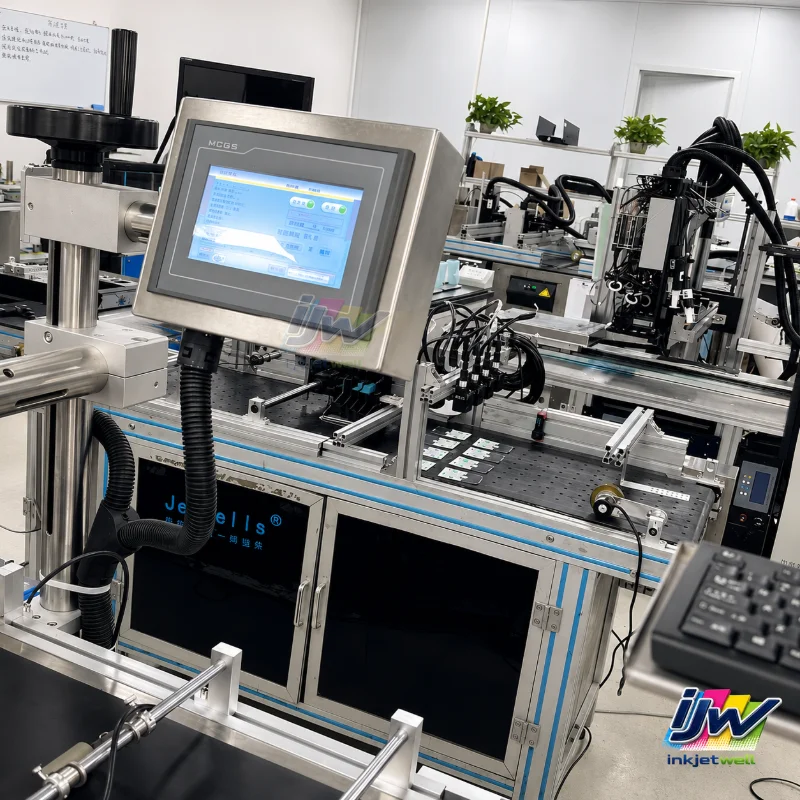
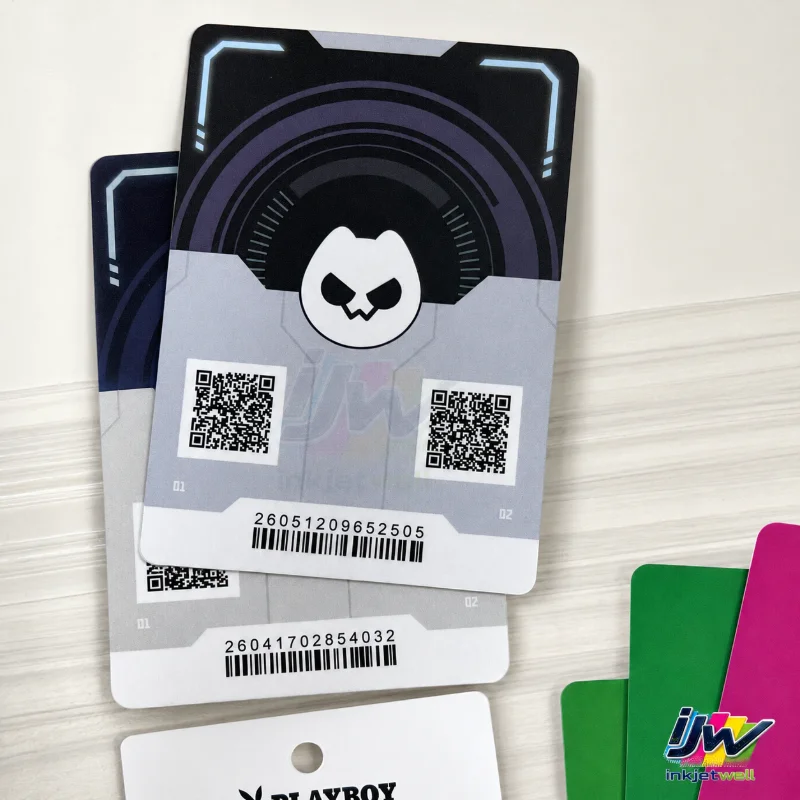
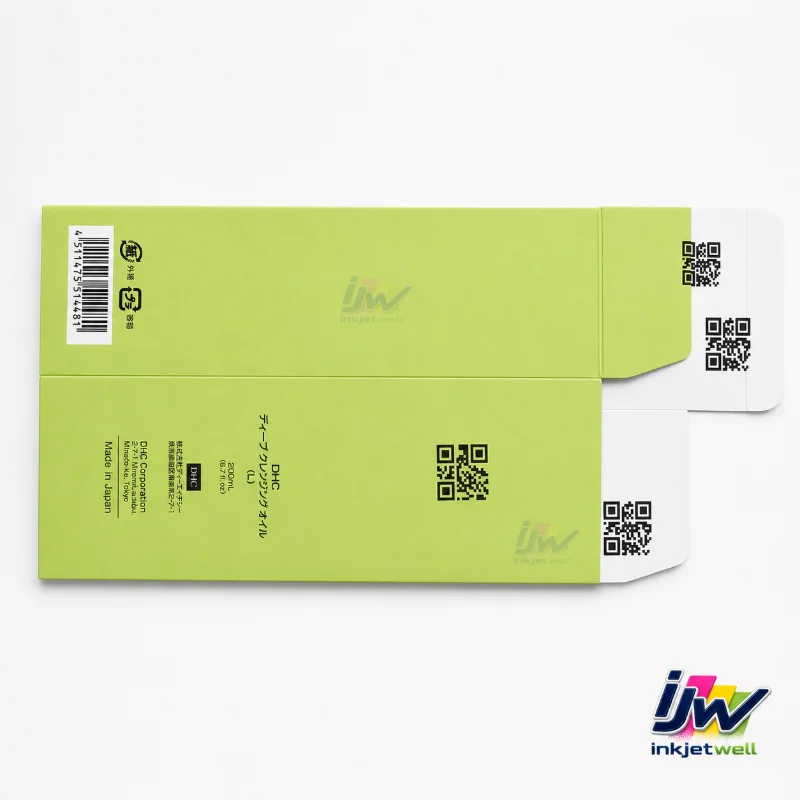
This TIJ serialization system combines industrial thermal inkjet printing with database-driven variable data. It is designed for unique QR codes, DataMatrix codes, serial numbers, product identity, batch records, and production traceability.
Product overview
Many industrial customers need more than a date and batch number. They need every product or package to carry a unique identity linked to a database. This configuration uses a TIJ print engine with network, serial, sensor, encoder, and database functions to print controlled variable records at production speed.
The system can receive production data from a local database or an approved external system. Depending on the project, it can be combined with camera inspection, code verification, reject control, and data collection.
TIJ is suitable when the required code size, print height, line speed, substrate, and ink can be handled by cartridge-based printing. Applications that require a larger print area, heavier ink coverage, or instant UV curing should be evaluated for the JW-4000 or JW-6000 platform instead.
Key features
- Unique QR code and DataMatrix printing
- Serial-number and sequence control
- Database-driven variable data
- Batch and production-order association
- Product sensor and encoder synchronization
- Network and serial communication
- Barcode, text, date, and graphics support
- Optional camera verification
- Optional reject and alarm control
- Traceability-system integration options
- Cartridge-based operation and simple ink replacement
Typical print content
- Unique product codes
- Serialized DataMatrix codes
- QR codes linked to product records
- Batch and lot information
- Production dates and expiry dates
- Product identification
- Anti-counterfeit and promotional codes
- Database-controlled text and numbers
Suitable applications
- Pharmaceutical cartons
- Medical-product packaging
- Electronics and components
- Food and beverage packaging
- Cosmetics and personal-care products
- Product authentication
- Export packaging and supply-chain identification
Ink and material selection
Serialization does not remove the need for correct ink selection. The code must remain readable throughout production, handling, transport, and the required product life. Material and ink testing are part of the project.
Integration and automation
Available functions can include code generation, database connection, printing, camera inspection, code verification, reject control, data collection, and connection to a customer’s approved MES, ERP, or traceability system.
Specification snapshot
| Item | Draft specification |
|---|---|
| Printing technology | TIJ 2.5 thermal inkjet |
| Printhead configuration | Single, dual, or custom |
| Variable data | QR, DataMatrix, barcode, serial number, text |
| Data source | Local database or approved external system |
| Communication | Network and serial |
| Synchronization | Product sensor and encoder |
| Inspection | Optional camera verification |
| Traceability | Project-based integration |
| Final performance | Confirm by code size, material, and speed |
Why choose this solution
Choose this system when the customer needs controlled variable data and product identity within the print-area and ink capabilities of TIJ technology. It provides a practical path from simple coding to connected traceability.
Call to action
Tell us how the codes are generated, what database is used, how the product is detected, and whether verification is required. Inkjetwell will design the printing and data workflow.