


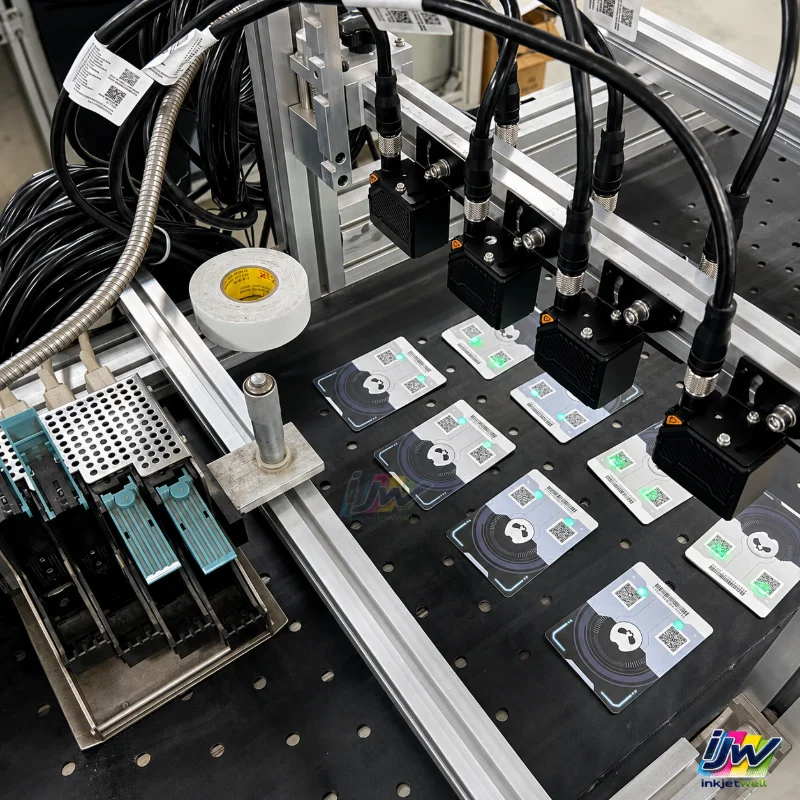
Factory & Quality
Quality Built into Every Configuration.
From component verification and system assembly to print testing and outgoing checks, Inkjetwell follows a practical quality workflow focused on real production requirements.
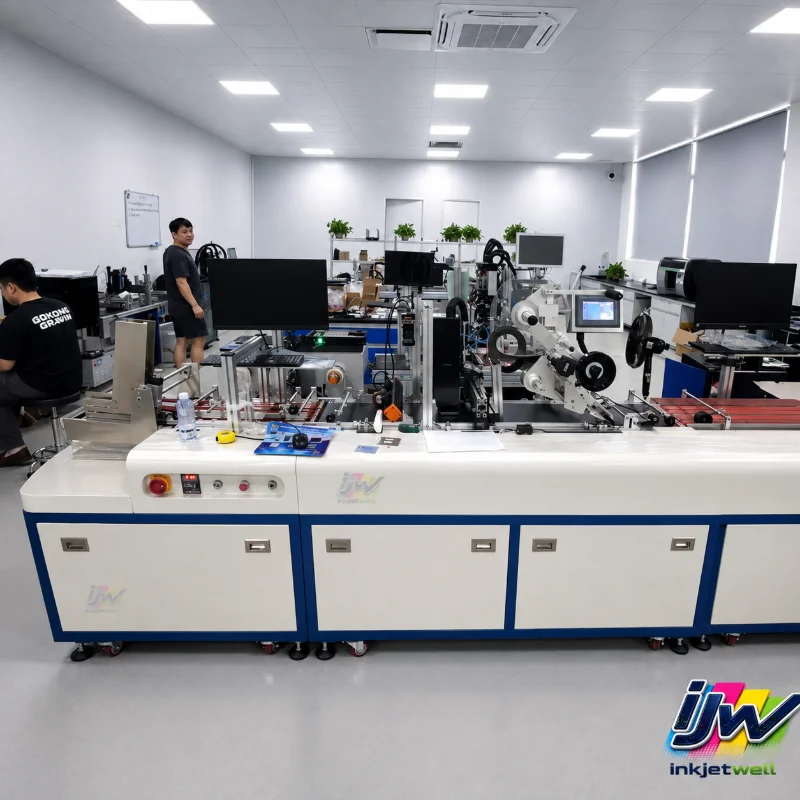
Production Approach
Configured for the Application—not Simply Taken from a Shelf
Industrial coding systems must work with a specific product, material, line speed, print area, data source, and operating environment. Inkjetwell reviews these conditions before the system configuration is finalized.
Depending on the project, the supplied solution may include a CIJ printer, TIJ controller and printheads, a modular UV inkjet platform, ink and fluid components, sensors, encoders, mounting parts, UV LED curing, software, and external interfaces.
The purpose of the factory and quality workflow is to confirm that the selected components are assembled, configured, tested, and documented for the approved project scope.
Factory Capabilities
From Core Equipment to Integrated Systems
The final scope depends on the selected technology and the customer’s approved project requirements.
Equipment Assembly
Mechanical, electrical, controller, fluid-path, printhead, and accessory assembly according to the product configuration.
System Configuration
Print parameters, triggering, encoding, curing, software, and data functions configured for the approved scope.
Application Testing
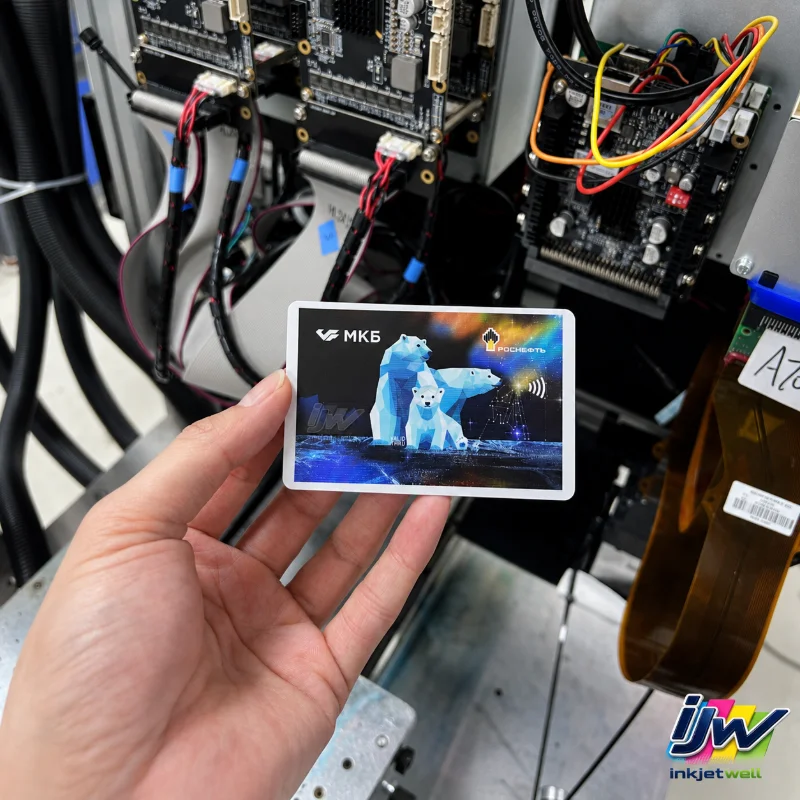
Sample printing used to evaluate code appearance, readability, adhesion, curing or drying, and layout suitability.
Project Integration
Support for conveyors, feeders, web handling, sensors, encoders, inspection, databases, and external controls.
Quality Workflow
Checks at the Stages That Matter
Requirement Confirmation
Confirm model, printheads, ink, print content, width, speed, material, interfaces, accessories, and project boundaries.
Component Verification
Review the identity, quantity, visible condition, and applicable specifications of key supplied components.
Assembly Review
Check relevant mechanical connections, wiring, fluid paths, printhead installation, controller setup, and safety items.
Functional Testing
Test system start-up, control functions, printing, triggering, encoding, curing, communication, and selected accessories as applicable.
Print Evaluation
Compare the sample output with the confirmed artwork, dimensions, readability target, adhesion, and production conditions.
Outgoing Check
Review the approved configuration, included items, identification, packaging, and available documents before shipment.
Application Validation
What We Need to Evaluate a Print Result
A useful test reproduces the important conditions of the intended production process as closely as practical.
- Actual material and surface condition
- Artwork, code type, and final print dimensions
- Required resolution, readability, and inspection target
- Line speed, product spacing, and movement stability
- Ink colour, adhesion, flexibility, and resistance needs
- Drying, UV curing, and downstream process conditions
Typical Test Scope
Test Items Depend on the System
| Area | Typical review |
|---|---|
| Printing | Content, position, dimensions, appearance, code readability, and repeatability. |
| Ink process | Ink delivery, drying or UV curing, adhesion, and required resistance on the verified material. |
| Automation | Sensor triggering, encoder tracking, data change, communication, and configured accessories. |
| Operation | Start-up, basic controls, parameter storage, alarms, maintenance access, and shutdown as applicable. |
Send Your Material for Application Review
Provide the product, material, artwork, print size, line speed, installation information, and expected result. Inkjetwell will help define a suitable test and system configuration.